Fraud Risk Assessments for All!
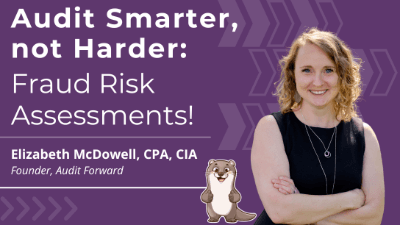
Transform your audit shop's fraud risk assessment through an understanding of fraud trends, internal audit's role in preventing fraud, and the development of a dynamic fraud risk assessment process.
This course offers an in-depth exploration of fraud risk assessments, a crucial process for identifying and mitigating fraud within organizations. Participants will gain a comprehensive understanding of the principles and methodologies used to evaluate fraud risks and implement effective anti-fraud controls.
The course begins with an introduction to the definition of fraud, as characterized by the Institute of Internal Auditors, and the importance of having robust internal controls. It covers the three lines of defense model, emphasizing the roles of the governing body, management, and internal audit in managing fraud risk.
Throughout the course, you will learn the five-step fraud risk assessment process, starting with identifying inherent fraud risks and schemes. You will then assess the likelihood and impact of these risks, map internal controls to mitigate them, and evaluate the effectiveness of these controls. The course also discusses how to report on and continually assess fraud risks and controls to ensure ongoing vigilance and improvement.
Key topics include:
Designed for internal auditors, risk managers, and compliance professionals, this course equips you with the tools and knowledge to effectively conduct fraud risk assessments and enhance your organization's anti-fraud measures.
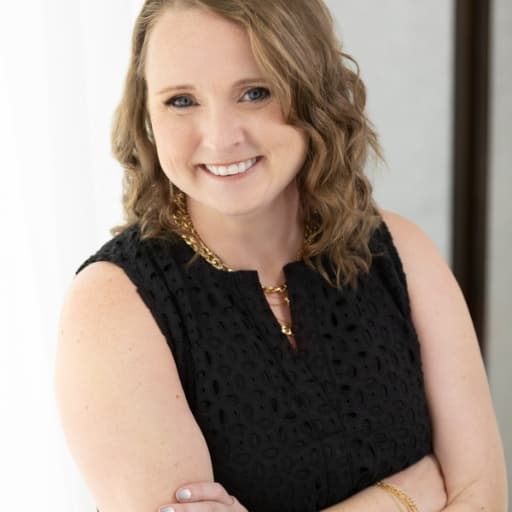
Audit Smarter, not Harder - with Elizabeth and Audie the Internal Otteror!
Elizabeth McDowell, CPA, CIA has over 20 years of audit experience and is the founder of Audit Forward, an innovative internal audit consulting and training firm. Elizabeth is passionate about advancing and advocating for the internal audit profession and was recognized as one of the 2023 Internal Audit Beacons by Richard Chambers. Elizabeth makes auditing and training fun (no, really!) with the help of her mascot, Audie the Internal Otteror. Elizabeth’s most recent industry experience was at Achieve, where she was Sr. Director, Audit Strategy; prior to that, she held internal audit leadership roles at Elevations Credit Union, Fidelity Investments, and Xcel Energy after first starting her career at Ernst & Young.
